Tijs delbeke on slow up
Tijs Delbeke: "The faster we choose to pause, the sooner we can reduce our destructive impact on the planet."
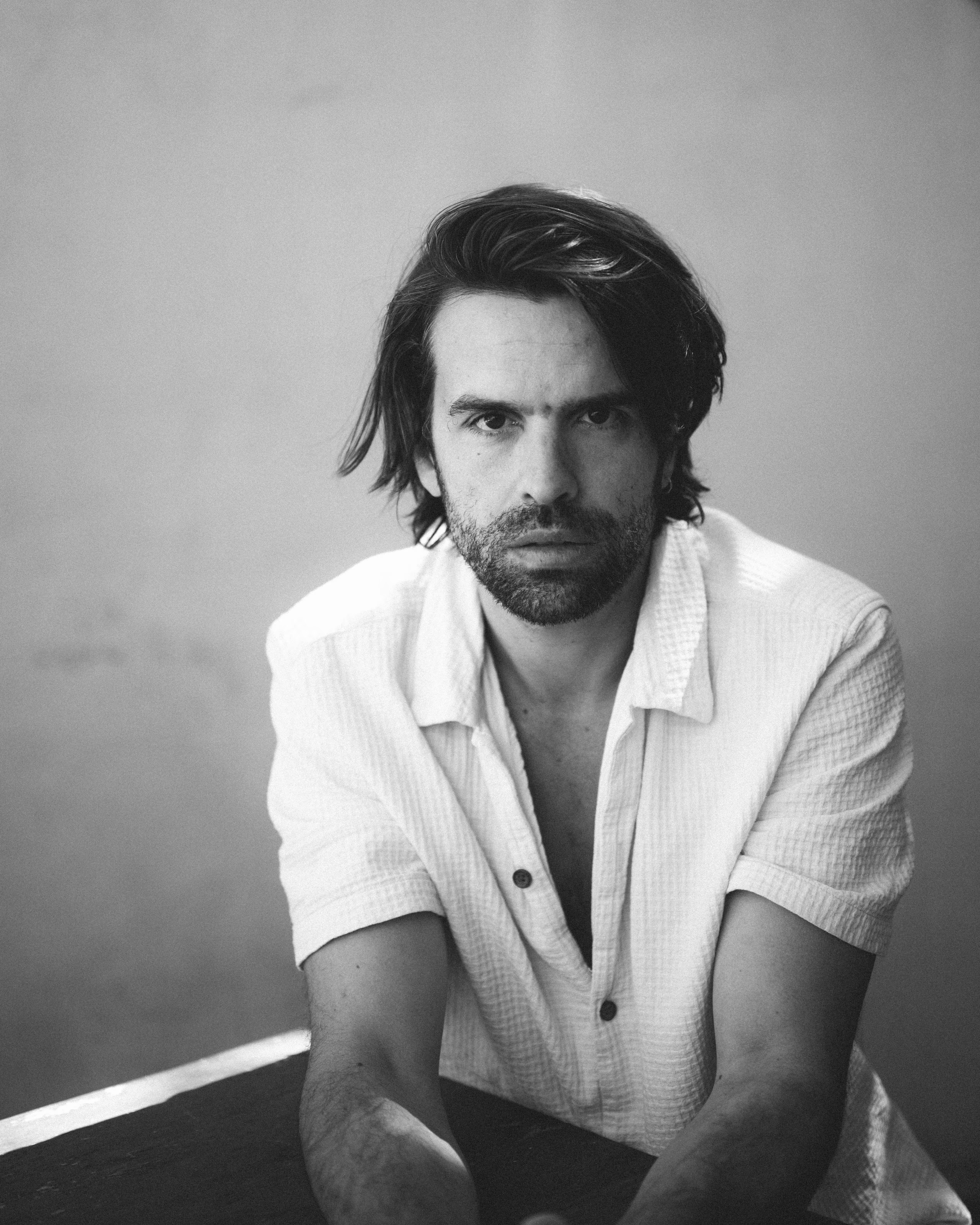
The faster we choose to pause, the sooner we can reduce our destructive impact on the planet
For Belgian musician and activist Tijs Delbeke, Slow Up for Humanity is more than a campaign. It is a response to what he sees as one of the defining challenges of our time: the simultaneous exhaustion of people and planet.
Delbeke is known for his work with bands such as Sir Yes Sir, Balthazar and Warhaus, but also as the founder of Worried Citizens and the initiator of cultural movements including 505 Concerts for Humanity, Show Up for Humanity and now Slow Up for Humanity.
His inspiration for Slow Up partly comes from an iconic protest action by John Lennon and Yoko Ono.
"In 1969, John Lennon and Yoko Ono protested war by staying in bed. In 2026, we raise our voices against the rapid depletion of our planet's resources, as well as our own growing fatigue. This may be one of the most urgent and complex challenges we face as a society."
According to Delbeke, today's crises are deeply connected. The culture of constant growth, production and consumption is not only pushing ecosystems beyond their limits, it is also leaving many people overwhelmed, disconnected and burned out.
"If we collectively slow down for just 25 hours, we can send a clear signal: we reject overconsumption and the relentless pressure to always do more, and we refuse to watch people around us burn out one by one."
Slow Up for Humanity invites people, organisations and communities to embrace the extra hour created by the winter time shift on 24-25 October 2026 as a moment of collective reflection and gentle action.
"The real urgency isn't to move faster, but to rise to the moment. The faster we choose to pause, the sooner we can reduce our destructive impact on the planet and reclaim a healthier rhythm for ourselves and for the world."
Read other stories


.avif)



.svg)